Then vs Now: How Pump Efficiency Has Transformed Over the Years
Water pumps have always played a critical role in households, agriculture, infrastructure, and industry. While the basic purpose of a pump—moving water from one point to another—has remained unchanged, the way pumps perform this task has evolved significantly over the years. One of the most important areas of this evolution is efficiency.
Understanding how pump efficiency has improved over time helps explain why modern pumps deliver better performance, lower operating costs, and longer service life than earlier generations.
Pump Efficiency in the Past: Functional but Limited
In earlier decades, pump design was largely focused on basic functionality. As long as a pump delivered water at the required head and flow, efficiency was often a secondary concern. Manufacturing limitations, simpler design tools, and less awareness of energy consumption meant that many pumps operated with significant losses.
Common challenges in older pump systems included:
● Inefficient impeller designs leading to hydraulic losses
● Rough internal surfaces caused by less precise casting and machining
● Motors with lower electrical efficiency and higher heat generation
● Poor alignment between motor and pump components
As a result, pumps consumed more power to deliver the same output. In regions where electricity supply was inconsistent or costly, this inefficiency translated directly into higher operating expenses and frequent maintenance issues.
The Shift Towards Efficiency-Focused Design
As energy costs rose and industries began to prioritise sustainability, pump efficiency became a key design parameter rather than an afterthought. Advances in engineering, materials, and manufacturing processes allowed manufacturers to rethink how pumps were designed and built.
One major change was the move toward optimised hydraulic design. Using improved calculations and testing methods, engineers began refining impeller geometry to reduce turbulence, minimise internal losses, and improve water flow paths. Even small improvements in hydraulic efficiency resulted in noticeable energy savings over the pump’ s lifetime.
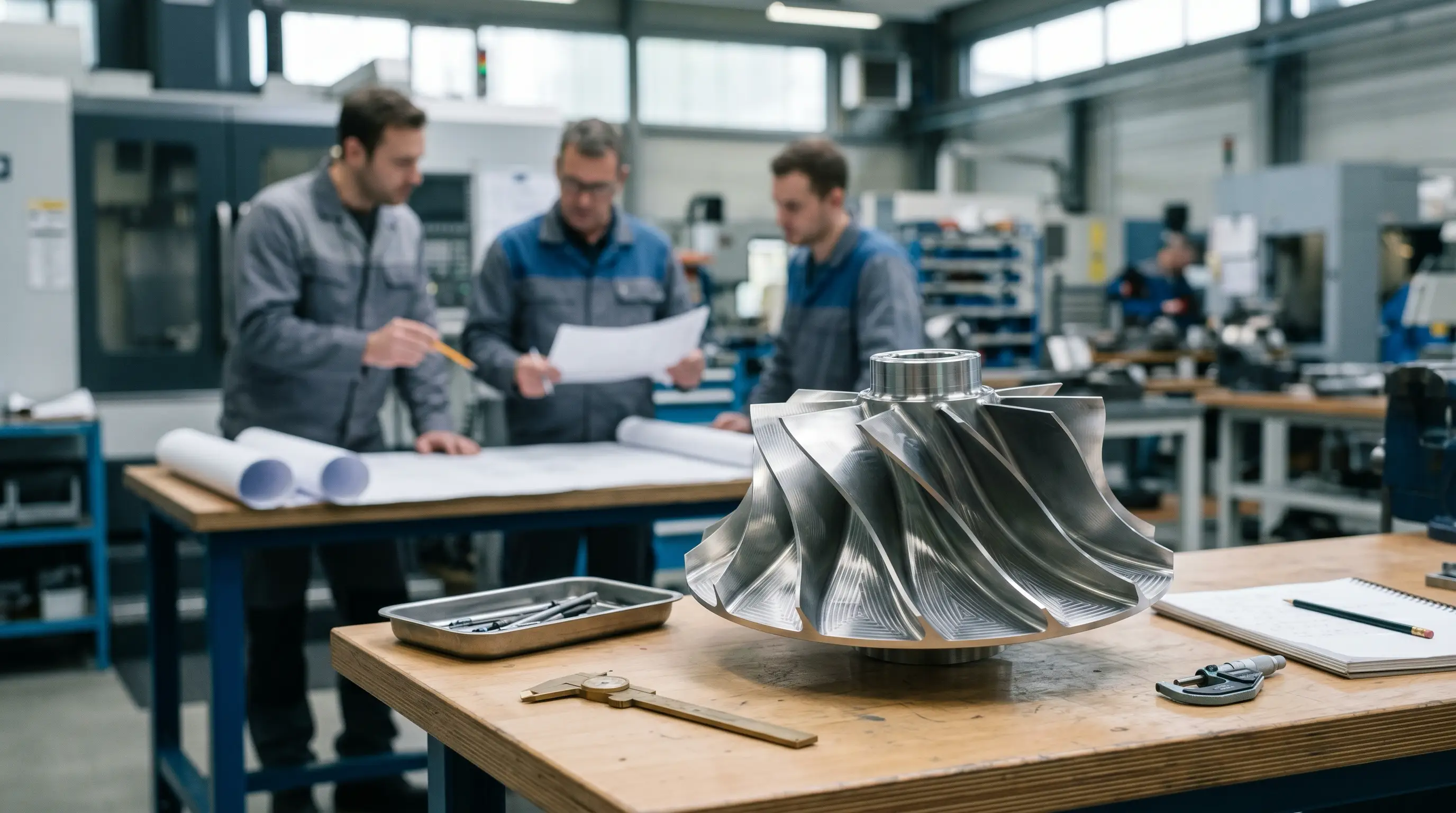
Precision machining further improved performance by ensuring tighter tolerances and smoother internal surfaces. Reduced friction meant less energy loss and more consistent output.
Motor Efficiency: A Critical Component
Pump efficiency is not determined by hydraulics alone—the motor plays an equally important role. Earlier motors often suffered from poor insulation systems, higher electrical losses, and limited thermal protection.
Modern pump motors are designed with:
● Improved copper winding quality
● Higher-grade insulation systems
● Better heat dissipation
● Reduced electrical losses
These improvements allow motors to operate more efficiently, with lower temperatures and longer service life. Efficient motors not only reduce power consumption but also minimise downtime caused by overheating or insulation failure.
Manufacturing Precision and Quality Control
Another major factor influencing pump efficiency is manufacturing consistency. In the past, variations in casting quality, assembly alignment, and component fitment often led to performance differences between identical models.
Today, integrated manufacturing and strict quality control processes ensure that each pump meets defined performance parameters. Multi-stage inspections, performance testing, and high-voltage insulation tests help identify inefficiencies before products reach the market.
By maintaining consistency across every unit, manufacturers can ensure that efficiency levels achieved in design are delivered in real-world operation.
Efficiency in Real-World Applications
Improved pump efficiency has a direct impact on everyday use. For customers, this means:
● Lower electricity consumption
● Reduced operating costs over the pump's lifespan
● Improved reliability and reduced maintenance
● Stable performance under varying load conditions
In agricultural and industrial settings, where pumps may run for extended periods, even marginal efficiency improvements can result in significant long-term savings. Efficient pumps also place less stress on electrical systems, reducing the risk of voltage-related issues and motor failures.
The Role of Sustainability
Efficiency and sustainability are closely linked. Energy-ef ficient pumps consume less power, which directly reduces carbon emissions associated with electricity generation. As industries move toward greener operations, pump efficiency plays a crucial role in reducing environmental impact without compromising performance.
Modern manufacturers are increasingly aligning efficiency improvements with broader sustainability goals—optimising processes, reducing waste, and improving lifecycle performance.
Looking Ahead: The Future of Pump Efficiency
The evolution of pump efficiency is far from complete. Future developments are expected to focus on:
● Further optimisation of hydraulic designs
● Enhanced material selection for reduced wear and friction
● Smarter manufacturing processes with tighter controls
● Integration of energy-ef ficient technologies across the product lifecycle
As water demand continues to grow, efficient pumping solutions will be essential in ensuring reliable water movement while conserving energy and resources.
Efficiency as a Long-Term Value
Pump efficiency is no longer just a technical specification—it is a measure of long-term value. From reduced operating costs and improved reliability to lower environmental impact, efficiency defines the difference between short-term performance and sustainable operation.
At AMSTAR Pumps, efficiency is engineered through thoughtful design, precision manufacturing, and rigorous testing. By learning from the past and applying modern engineering principles, we continue to develop pumping solutions that meet today’s demands while preparing for tomorrow’s challenges.